
Click to Enlarge
Materials & Options
Explore materials and customizations to make your log home your own.
Make Your Log Home Your Own
Your log home should reflect how you live and what you value. Materials and options give you the freedom to shape the look and feel of your space. Log profiles change the character of the exterior and interior walls. Stain colors can range from light and rustic to rich and bold. Window layouts can frame views, bring in natural light, or create a more private retreat. Door styles and finishes can set the tone the moment you walk inside.
These choices allow you to personalize your home without overcomplicating the build. Whether you want a classic mountain look, a clean modern cabin, or something in between, the right combination of materials helps turn a floor plan into a home that feels comfortable, intentional, and truly yours.
Click to Enlarge
Log Styles
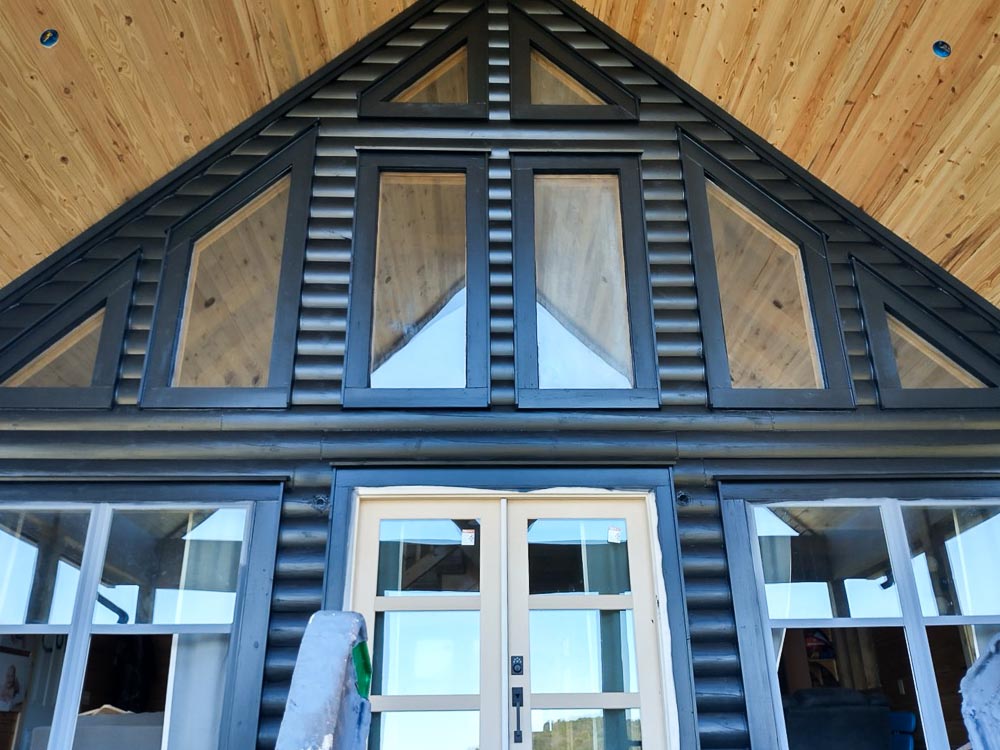
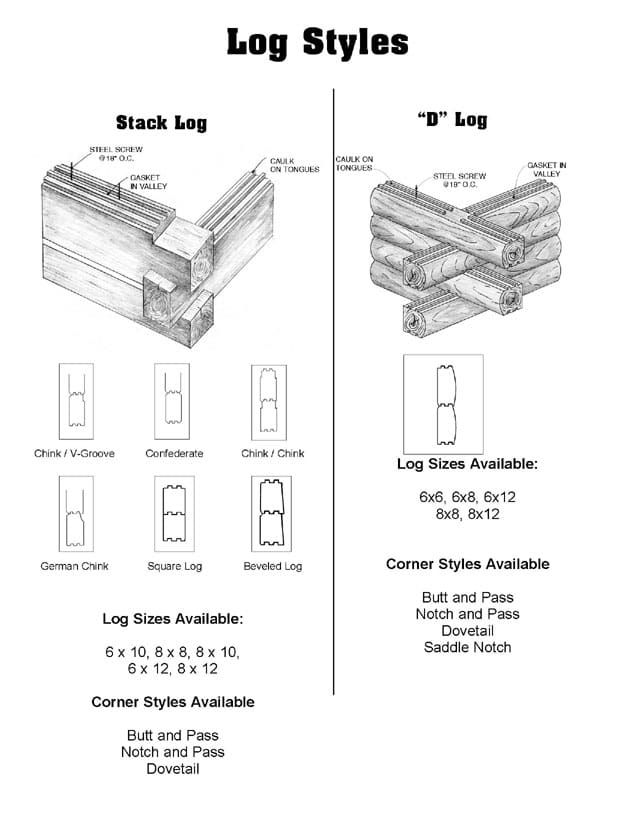
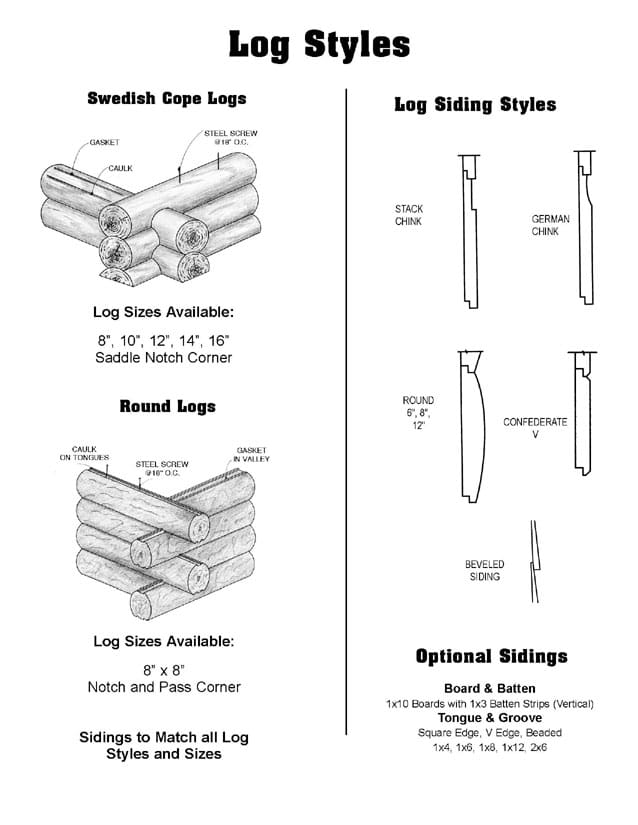
Log styles play a major role in how your home looks, performs, and ages over time. Cozy Log Homes offers several log and siding profiles, including round logs, Swedish cope logs, stack logs, and D-logs, along with matching log siding options. Each style affects the exterior appearance, interior wall feel, corner construction, and overall maintenance needs.
Log size and corner style also influence insulation value, structural strength, and visual weight. We help you compare these options so you can choose a log style that fits your design goals, climate, and long-term expectations for your home.
Permachink Stains and Sealants
The right stain and sealant protect your log home and define how it looks for decades. Cozy Log Homes is an official distributor for Permachink stains, sealants, and caulking products. These products are made specifically for log homes and are designed to flex, breathe, and protect wood as it naturally expands and contracts over time.
Because we distribute Permachink products directly, we can provide them at a discounted price as part of your log home package or materials order. This ensures you get professional-grade protection without guessing at products or paying retail pricing.
Permachink stains help preserve the natural beauty of the logs while defending against UV exposure, moisture, and weather. Their sealants and caulking systems are engineered for long-term performance and are a key part of reducing maintenance and preventing air and water intrusion. Using the right stain and sealant from the start plays a major role in how well your log home ages.






Windows & Doors
Log Home Windows
Windows are more than finishing touches. They affect energy use, comfort, security, and how your home looks inside and out. Cozy Log Homes uses PlyGem, PELLA, and JeldWen windows for proven durability and energy efficiency. Window options can be customized by size, shape, color, and function, including fixed, double-hung, casement, and specialty shapes. This flexibility allows you to match the architectural style of your log home while improving natural light, airflow, and long-term performance.
Log Home Doors
For entryways, we use Reliabilt steel entrance doors built for strength, security, and long service life. These doors include a 25-year warranty, brass tone hinges, a full-size wood lock block for added security, and an adjustable oak threshold to fit most doorways. Each door is double bored for a lockset and deadbolt, features triple pane decorative insulating glass panels, and uses magnetic weather-stripping for a tight, refrigerator-like seal. Weather-resistant, non-yellowing “Forever White” finishes ensure long-lasting appearance with minimal maintenance.
How It Works, Step by Step
Have questions about pricing, delivery timelines, or choosing the right floor plan? Contact our team and tell us what you’re building, where you’re building, and what size home you want. We’ll point you to the best next step.
1. Choose a Floor Plan
You can select an existing log home or cabin plan, or start from scratch with a custom log home design. If there’s anything you don’t like in a plan, mark it up. We’ll review the changes and let you know if any added cost applies. You can adjust layouts, room sizes, and details until it fits your needs.
2. Qualify the Project
Before moving forward, we walk through the basics to make sure the project is set up for success. Do you already own land, or are you still looking. When do you expect to build. Will the lot need clearing, a well, or septic. Do you have a builder, and do they need support from us. We also talk square footage, target budget, and timeline so expectations are clear early.
3. Finalize Plans
When you’re ready to proceed, a deposit gets the process moving. Final building blueprints are drawn, and you can still make changes at this stage at no charge. Plans are prepared to meet city, county, and state code requirements based on your build location.
4. Prepare & Schedule
Preparation is key. We help you understand what needs to happen on your property before materials arrive, including access, site prep, and timing. Builders are often booked months out, so planning 3–6 months in advance helps avoid delays. Once everything is ready, your log home or cabin package is prepared and delivered to your site, typically within about 45 days.
Log Homes Built to Last
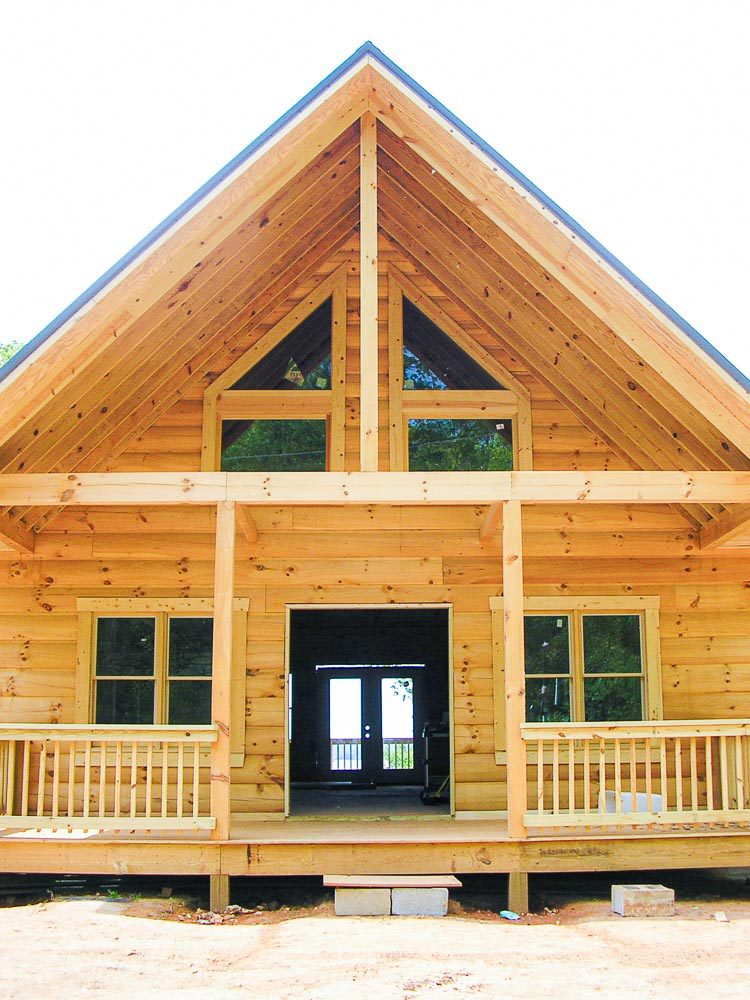
Our log homes combine classic craftsmanship with practical design. Whether you’re building a primary residence or a second home, we supply complete log home packages that give you flexibility, clarity, and control. From log styles to windows and doors, every decision is made to support durability, comfort, and code compliance based on where you’re building.
Many of our customers are drawn to log homes for the same reasons. They want a quieter pace, space to breathe, and a home that feels grounded and authentic. Often it starts with renting a cabin or staying in one for a weekend, then realizing how comfortable and peaceful that lifestyle feels.
Common Misconceptions About Log Homes
- Log homes require constant maintenance. Modern log homes use kiln-dried logs, engineered fastening systems, and log-specific stains and sealants that greatly reduce upkeep compared to older builds.
- Log homes shrink and shift over time. Today’s logs are pre-shrunk before installation, which allows them to fit together tightly and remain stable long term.
- Log homes are hard to insulate. Properly built log homes take advantage of natural thermal mass, helping regulate indoor temperatures and reduce energy loss.
- Any wood stain will work on a log home. Log homes require specialty stains and sealants designed to flex and breathe with the wood. Using the right products from the start makes a major difference in longevity.
Benefits of Building a Log Home
- Strong resale value and long-term equity when the home is planned and built correctly.
- A solid structural system where each log is mechanically fastened, creating a durable shell designed to last for generations.
- Improved energy performance through natural thermal mass, helping with heating and cooling efficiency.
- A quieter, more comfortable interior environment with cleaner indoor air flow.
- A timeless look that blends naturally into rural, lake, and wooded settings.
- A sense of legacy and permanence that many homeowners want for second homes and family retreats.